Everything You Need to Know About Home EV Charger Installation
The Growing Demand for Home EV Charging
Electric vehicle adoption is accelerating faster than anyone predicted. With major automakers committing to all-electric lineups by 2030 and fuel prices remaining volatile, more homeowners are making the switch — and discovering that home charging is one of the biggest advantages of EV ownership.
While you can charge an EV from a standard 120-volt household outlet (Level 1 charging), it's painfully slow — adding only 3–5 miles of range per hour. For most EV owners, a dedicated Level 2 charger (240-volt) is essential, providing 25–40 miles of range per hour and a full charge overnight.
Level 2 vs. Level 1 Charging: Understanding the Difference
Level 1 charging uses the portable charger that comes with most EVs and plugs into any standard 120V outlet. It's free to install but impractical as a primary charging solution. At 3–5 miles per hour, fully charging a typical EV battery takes 40–60 hours.
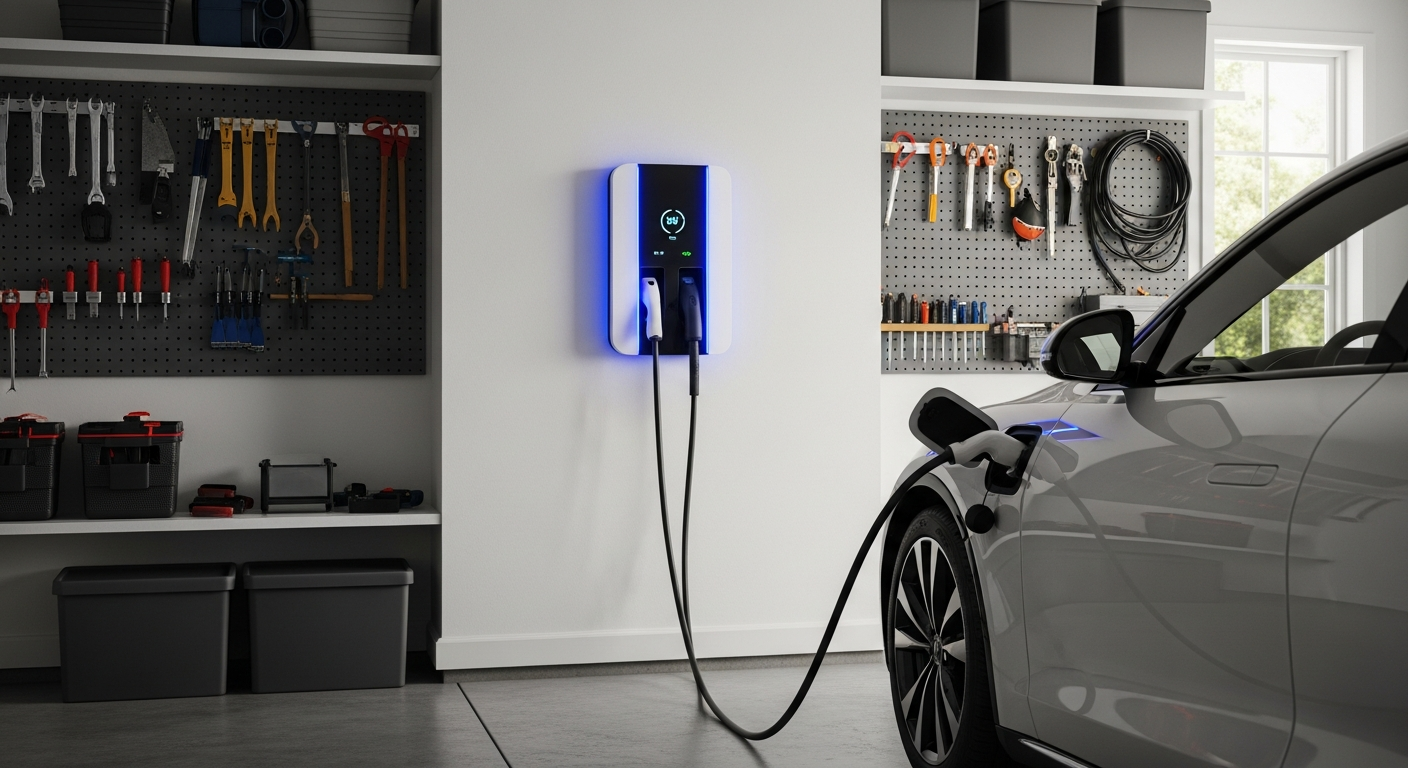
Level 2 charging requires a dedicated 240-volt circuit (similar to what your dryer or oven uses) and a wall-mounted charging station. It delivers 25–40 miles of range per hour, meaning a full charge takes 6–10 hours — perfect for overnight charging while you sleep.
Smart Chargers vs. Basic Chargers
Smart chargers connect to WiFi and offer features like scheduled charging (to take advantage of off-peak electricity rates), energy monitoring, and integration with your utility's time-of-use programs. While they cost $100–200 more than basic chargers, the scheduling features alone can save that difference in electricity costs within the first year.
Electrical Requirements for Installation
A Level 2 EV charger typically requires a dedicated 50-amp, 240-volt circuit. This is one of the larger circuits in your home, and it needs to be properly sized from your electrical panel to the charger location. The wire gauge, breaker size, and conduit type all need to match NEC (National Electrical Code) requirements.
Panel Capacity Assessment
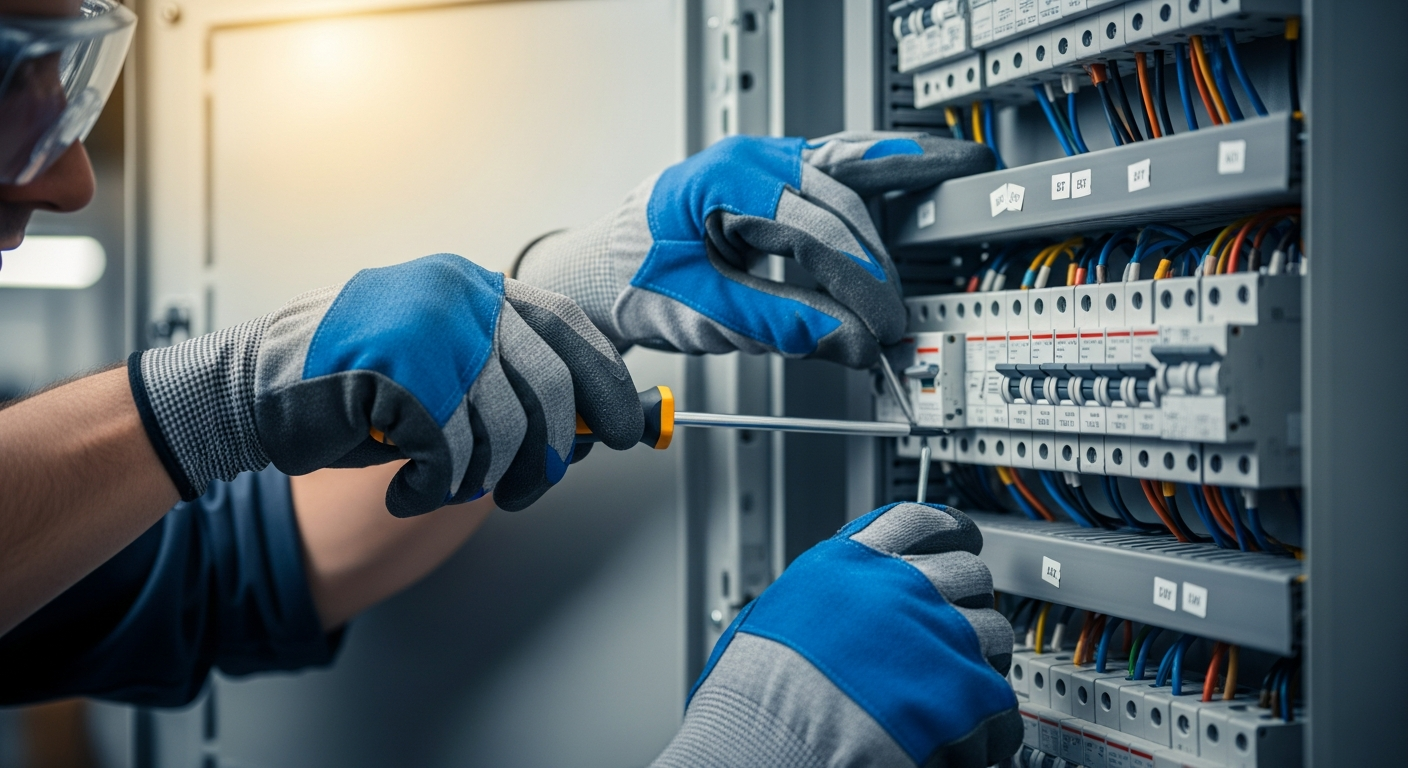
Before installing an EV charger, your electrician needs to assess whether your electrical panel has enough available capacity. A 50-amp EV circuit is a significant addition. If your panel is already near capacity — common in older homes with 100-amp panels — you may need a panel upgrade before the charger can be installed.
In some cases, a load management device can be used to share capacity between your EV charger and other large loads (like your dryer or water heater), avoiding the need for a full panel upgrade. Your electrician can evaluate which approach is best for your situation.
Choosing the Right Location
The charger should be installed as close to your parking spot as practical, ideally on the same side as your vehicle's charge port. Indoor garage installations are the simplest and most protected. Outdoor installations are also common but require a NEMA-rated weatherproof enclosure and careful routing of the electrical conduit.
Permits, Inspections, and Rebates
EV charger installations require an electrical permit and inspection in most jurisdictions. A licensed electrician will handle the permitting process, ensuring the installation meets all local codes and passes inspection on the first visit.
Many states and utility companies offer rebates for home EV charger installations, ranging from $200 to $1,000 or more. The federal government also offers a tax credit (currently up to $1,000) for qualified home charging equipment. Your electrician should be able to guide you toward available incentives in your area.
"We've installed hundreds of home EV chargers, and the feedback is always the same — owners wish they'd done it sooner. The convenience of waking up to a full charge every morning changes the entire ownership experience." — Pro Electrical Services Team
What to Expect on Installation Day
A typical EV charger installation takes 3–5 hours, depending on the complexity of the wiring run and whether any panel work is needed. Your electrician will mount the charging station, run the dedicated circuit from your panel, make all connections, and test the system thoroughly before walking you through operation.
After installation, you'll want to download your charger's app (if it's a smart charger), set up scheduled charging during off-peak hours, and enjoy the convenience of home charging. Most owners find that they rarely need public charging stations once they have a Level 2 charger at home.